Travel trends
Travel trends for 2026: what travellers are doing differently
The travel trends shaping 2026: longer trips, slower routes, electric ground transport, and what it means for booking the way you arrive.
April 13, 2026 · 3 min read

Travel patterns in 2026 are not flashy. They are practical. People are taking fewer but longer trips, choosing slower modes for parts of the journey, expecting electric ground transport in major cities, and using AI tools to plan. None of these are surprising in isolation; together they shape how the airport part of a trip needs to work.
This piece covers the four trends with the clearest impact on the airport transfer specifically, and the practical implications for booking.
1. Fewer, longer trips
The “two short city breaks” pattern of 2018 has steadily given way to “one longer trip with work blended in”. Average trip length is up. The implication for ground transport: more travellers care about door-to-door comfort because the trip is the trip, not a 48-hour hop.
What it changes for airport transfers:
- Bigger luggage volumes (a week or two of cases plus work kit)
- Earlier evening arrivals (longer haul flights with set departure times)
- More return-trip bookings made at the same time as the outbound
For booking timing in 2026, see our airport transfer timing guide.
2. Electric and hybrid as the default for ground transport
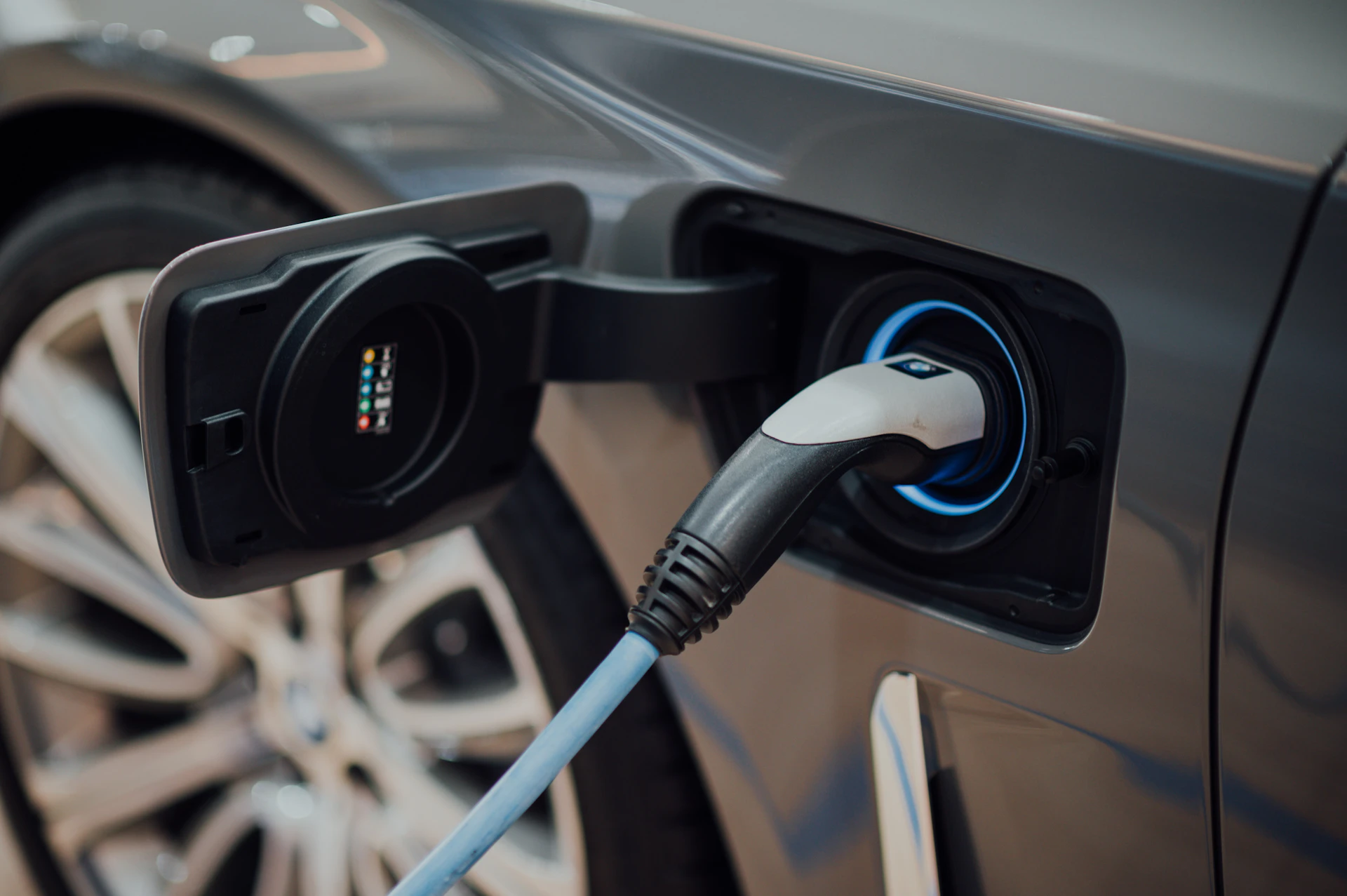
Across major European cities, electric and hybrid vehicles now form a substantial share of the airport-transfer fleet. Berlin, Amsterdam, Paris, London, Madrid, and Lisbon all have networks where you can request an EV at booking. North American and Asian cities are catching up, with rapid changes in 2026.
What it changes:
- Quieter rides, particularly noticeable on a long-haul evening arrival
- Lower emissions per ride, which matters for many corporate travel programmes
- Same fixed price; the EV is offered alongside the standard sedan or estate at booking
For more on electric airport transfers and where they are available, see our EV transfer guide.
3. Price clarity over price gambling
Travellers have lost patience with surge pricing on the airport leg. The shift toward pre-booked, fixed-price transfers continues. The reason is simple: knowing the price at the kerb is worse than knowing it at booking.
The “fixed price at booking” principle now extends to most of the booking flow:
- Tolls, parking, and pickup surcharges included up front
- No traffic surcharges
- Free wait time at arrivals built in
- Free cancellation up to 24 hours before pickup
If you are weighing pre-booked private versus shared shuttle versus rank taxi, our private versus shared transfer guide covers the practical trade-offs.
4. AI tools as a default trip-planning layer
Travellers increasingly research with AI assistants before they book. For airport transfer queries, this means the answer that surfaces is the one that is well-structured, easy to crawl, and clear on the practical detail.
For travellers, two things help:
- Use clear queries. “Heathrow to Mayfair private transfer for two with one case” returns a more accurate answer than “London airport ride”.
- Cross-check the booking before paying. Pricing, route options, vehicle types, and payment methods should all be visible before you confirm. Accepted methods include Visa, Mastercard, Amex, Apple Pay, Google Pay, Alipay, iDEAL | Wero, PayPal, and major local methods.
What 2026 looks like at the airport
Stitched together, the trends create a recognisable pattern at arrivals:
- A traveller with more luggage than five years ago
- Already booked the airport transfer before take-off
- Looking for a low-emission vehicle where available
- Expecting flight tracking, fixed pricing, and zero negotiation at the kerb
The pre-booked private airport transfer is built around exactly that pattern. The price is set when you confirm; the vehicle matches your luggage; the driver tracks your flight.
Practical implications for booking
If you are booking an airport transfer in 2026:
- Add the flight number once you have it (enables tracking)
- Book the return at the same time as the outbound
- Where it matters to you, request an electric vehicle at booking
- For groups, choose the vehicle that matches your luggage rather than fitting bags into a sedan
- Save the booking confirmation to your phone before you fly
For a fuller view of major events likely to push demand, our World Cup 2026 transfer guide covers the host-city airport runs and our Eurovision 2026 Vienna guide covers contest week.
Book your airport transfer and let the booking handle the airport part of the trip.
Common questions
Frequently asked


Ready when you are
Fixed price at booking, vetted local driver, flight tracked from gate to kerb. Under two minutes to book.